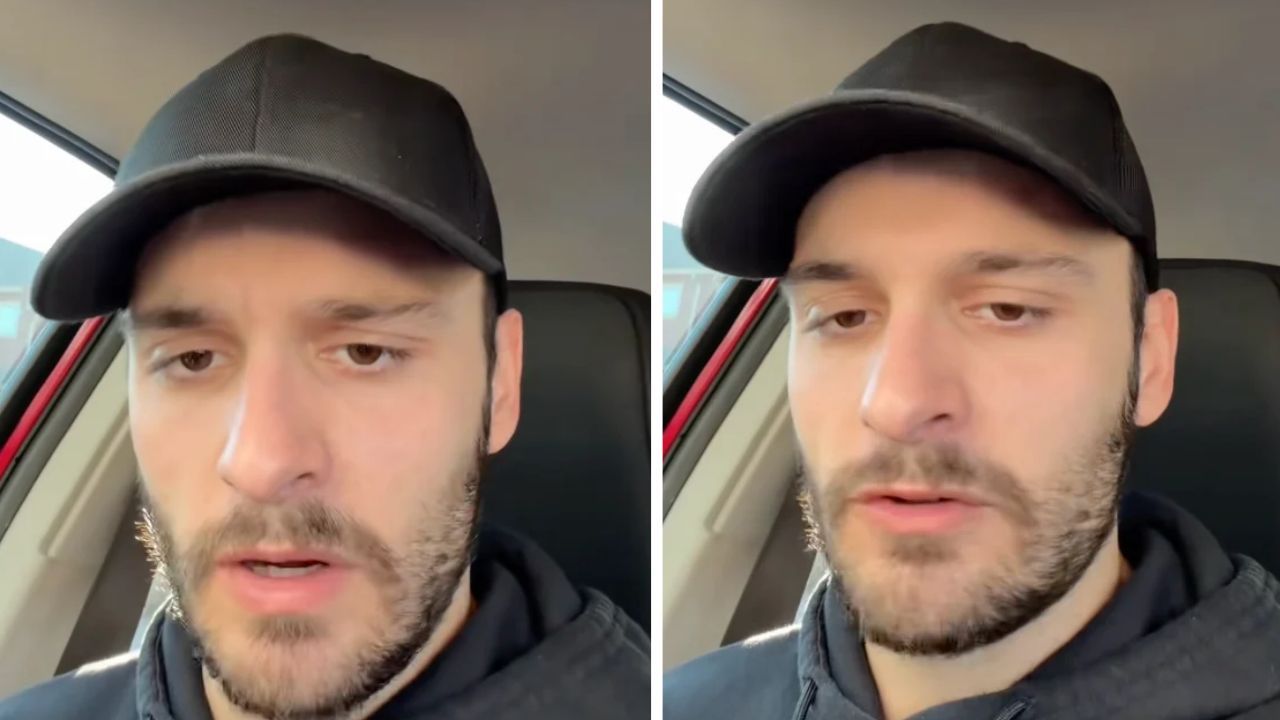
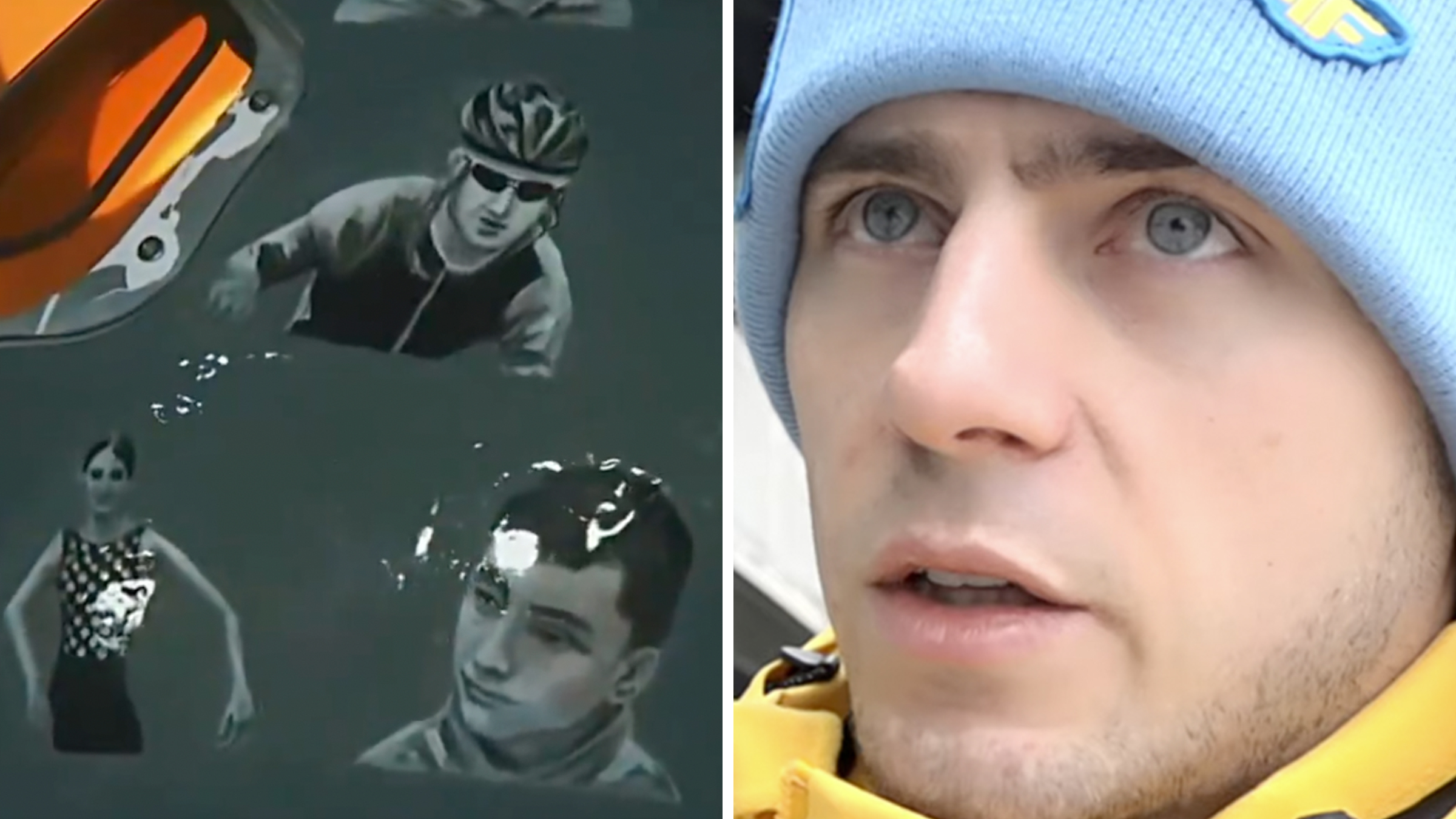
Ukrainian skeleton racer Vladyslav Heraskevych has officially been turned away from competing in the 2026 Winter Olympics after refusing to change helmets.
In recent days, Heraskevych has been training while wearing a helmet featuring the pictures of over 20 Ukrainian athletes and coaches who have been killed over the past four years during the war with Russia.
Це ціна нашої гідності.
— Vladyslav Heraskevych OLY (@heraskevych) February 12, 2026
This is price of our dignity. pic.twitter.com/00h3hlZs6i
However, the International Olympic Committee (IOC) told the athlete on Monday night that he wouldn't be able to wear the helmet during competition, as political statements of any kind are banned from the games.
Heraskevych refused to back down, insisting that the helmet didn't violate any rules. The IOC allowed him to train with the helmet on and attempted to find a compromise. They suggested wearing a black armband during competition and putting the helmet back on as soon as he finished his race, which had been scheduled for Thursday. Heraskevych declined.
"As you’ve all seen over the last few days, we’ve allowed for Vladyslav to use his helmet in training," IOC president Kirsty Coventry said. "No one, no one—especially me—is disagreeing with the messaging. The messaging is a powerful message. It’s a message of remembrance. It’s a message of memory and no one is disagreeing with that. The challenge that we are facing is that we wanted to ask or come up with a solution for just the field of play."
Past and present Ukrainian demonstrations
This isn't the first brush Heraskevych has had with the IOC over something like this. During the 2022 Beijing Olympics, he held up a "No War in Ukraine" sign following his event. At the time, it was debated whether or not he broke the same rule about no political demonstrations, but the IOC ultimately decided in his favor.
4 years ago at the 2022 Olympic Games.
— Vladyslav Heraskevych OLY (@heraskevych) February 10, 2026
Unfortunately, over these years this call for peace has only become even more relevant.
Also over these 4 years, the IOC has changed dramatically. Back then, in that action, they saw a call for peace and did not apply any sanctions against… pic.twitter.com/1w9nvmtIzF
Moreover, Heraskevych isn't the only Ukrainian athlete butting heads with the IOC for this year's games. Freestyle skier Kateryna Kotsar said that the IOC prevented her from wearing a helmet that said "Be Brave Like Ukrainians," while Oleh Handei said that his helmet was barred over a line of Ukrainian poetry that read, "Where there is heroism, there is no final defeat."
Both athletes said they were told the inscriptions counted as political statements.
You also barred Ukrainian speed skater Oleh Handei from wearing a helmet with the poetry line “Where there is heroism, there is no final defeat” by Lina Kostenko, deeming it “political.”
— cyber soroka ?? (@cybersoroka) February 12, 2026
The only neutral thing about your rules is how they neutralize anything inconvenient to you. https://t.co/W4sOZtzrXd pic.twitter.com/SFwGDs4CJd
Support for Ukraine and Heraskevych
There are certainly people who take issue with "political" statements being made at the Olympics, or even by Olympic athletes at all. Vice President JD Vance made headlines this week after he warned U.S. Olympians to shut up about politics and just "play a sport."
Still, there's plenty of debate as to whether the helmets worn by Heraskevych, Kotsar, and Handei are political at all, as well as whether the IOC is wrong in general for banning these items. This has led to a number of people across the world offering Heraskevych and the others their support, including prominent figures such as Ukrainian president Volodymyr Zelenskyy.
"Sport shouldn’t mean amnesia, and the Olympic movement should help stop wars, not play into the hands of aggressors," he wrote. "We are proud of Vladyslav and of what he did. Having courage is worth more than any medal."
Sport shouldn’t mean amnesia, and the Olympic movement should help stop wars, not play into the hands of aggressors. Unfortunately, the decision of the International Olympic Committee to disqualify Ukrainian skeleton racer Vladyslav Heraskevych says otherwise. This is certainly… pic.twitter.com/gGXizj5C5m
— Volodymyr Zelenskyy / Володимир Зеленський (@ZelenskyyUa) February 12, 2026
IOC is simply wrong by disqualifying @heraskevych
— Edgars Rinkēvičs (@edgarsrinkevics) February 12, 2026
honoring memory is not a violation. The IOC shows that they don't care about the lives of their athletes, they don't honor or respect them. They forbid you to talk about your grief. Shame.@heraskevych it’s a hero ??? pic.twitter.com/SfyyCP1EO3
— Danzo.? (@danzo_fs) February 12, 2026
"My Olympic moment was stolen," Heraskevych said, before adding that representing the athletes who have died "is more important than winning a medal."
The internet is chaotic—but we’ll break it down for you in one daily email. Sign up for the Daily Dot’s newsletter here.