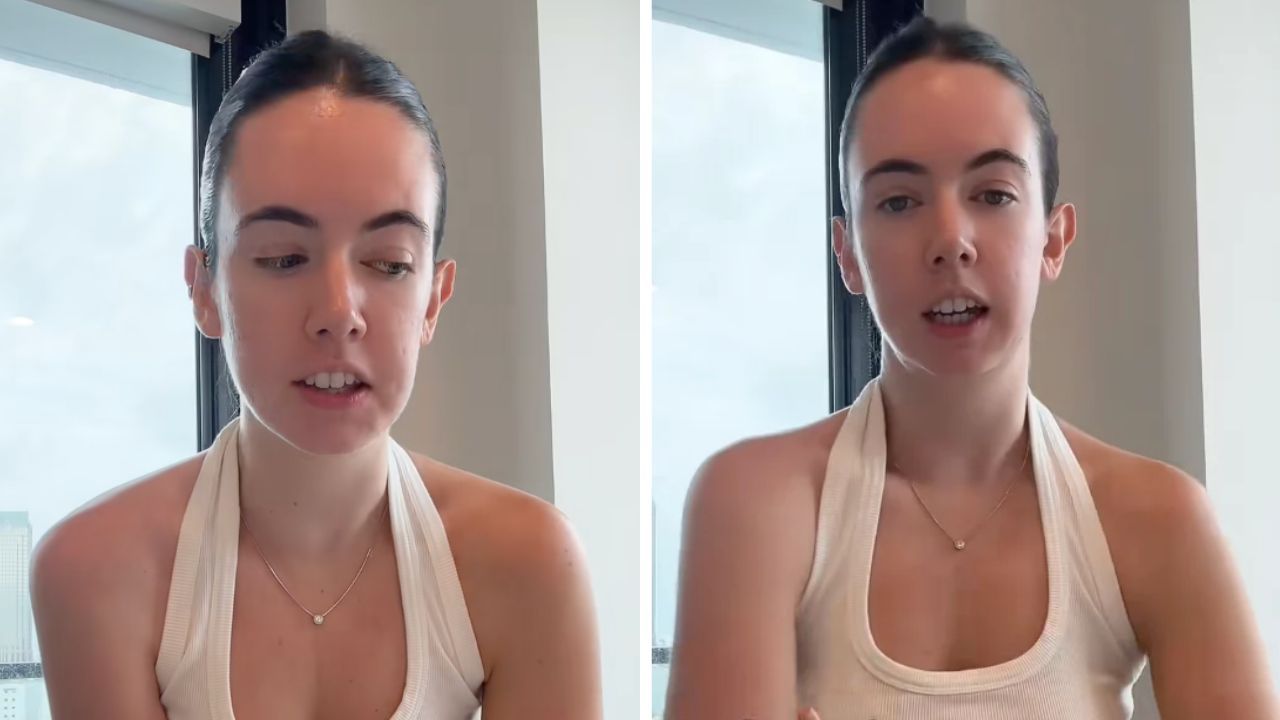
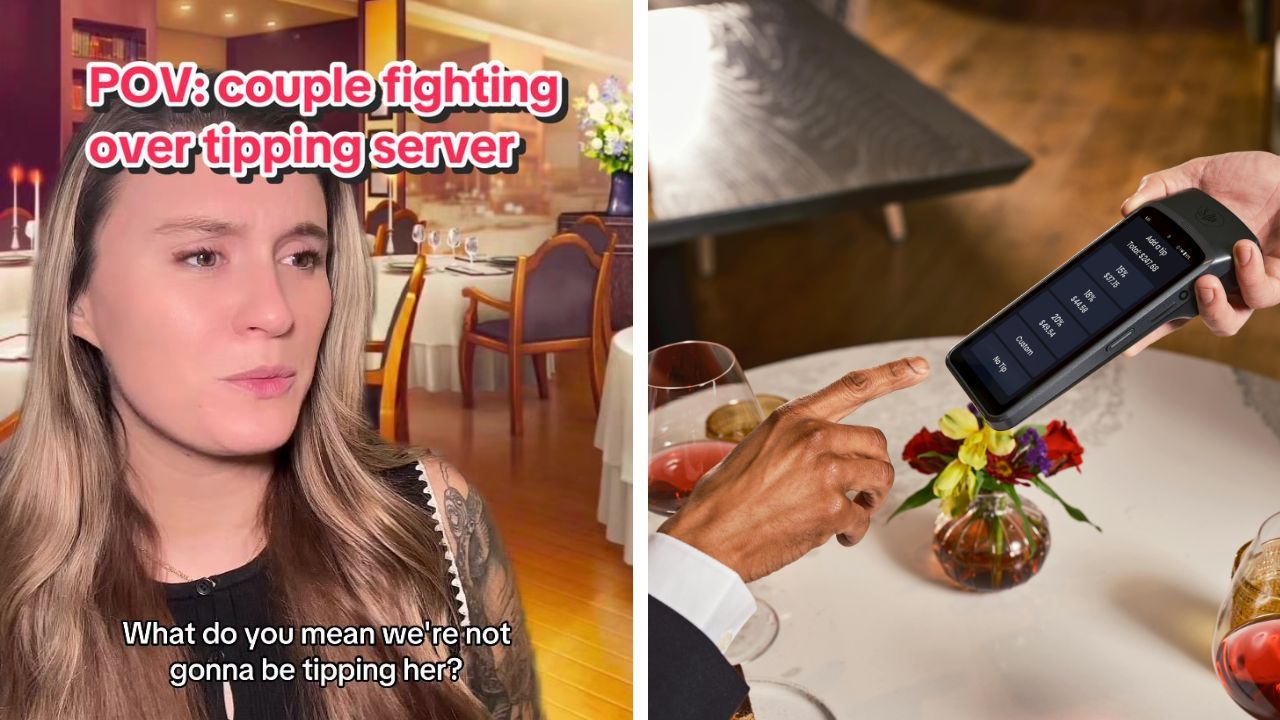
A POV video of a dispute about how much to tip at a restaurant was uploaded by the TikTok account Floofy Doofyy on January 9. The video has people divided over whether customers should be expected to supplement workers’ wages or whether it is the employers’ responsibility. The video shows a woman reenacting a couple arguing because one of them refuses to leave a tip despite receiving good service.
The caption asks viewers, "Whose side are you on?" As of publication, the video had received 64,700 likes and more than 1,800 comments.
In the video, one partner asks the other for money to leave a tip, but the other refuses. The second person then argues that tipping is customary in the United States and that it is not their responsibility to pay workers a living wage.
@floofydoofyy Whose side are you on? ?? #greenscreen#restaurant#servertok#pov#hostess
♬ original sound - Floofy Doofyy
The argument intensifies when one partner says the decision not to tip is based on previous restaurant visits, including one where the bill exceeded $400. The couple then wonders whether their differing views on tipping service staff mean they are incompatible. Those opposed to tipping also question why a more expensive meal should call for a larger tip when the service provided could be the same.
Most viewers criticized the U.S. tipping system, although they supported tipping workers. A commenter who said they worked in the service industry agreed with the argument against tipping. Others argued that employers should pay their employees enough to cover their living costs rather than asking customers to make up the difference.
One viewer also claimed that not leaving a tip could affect workers who rely on gratuities. Another commenter agreed, saying they would continue leaving tips until broader changes were made to the system. Some commenters, meanwhile, distinguished between meals eaten at restaurants and food or drinks purchased at a counter, such as coffee or fast food, arguing that the expectation to tip has extended beyond traditional sit-down dining.
The federal Fair Labor Standards Act allows eligible tipped employees to be paid a direct wage as low as $2.13 per hour, provided their tips bring their total earnings to at least the federal minimum wage of $7.25 per hour.
Employers must make up any shortfall if an employee’s direct wages and tips do not meet the federal minimum wage. Many states require higher direct wages for tipped workers, according to the U.S. Department of Labor. These rules help explain why tips can make up a major portion of workers' incomes.