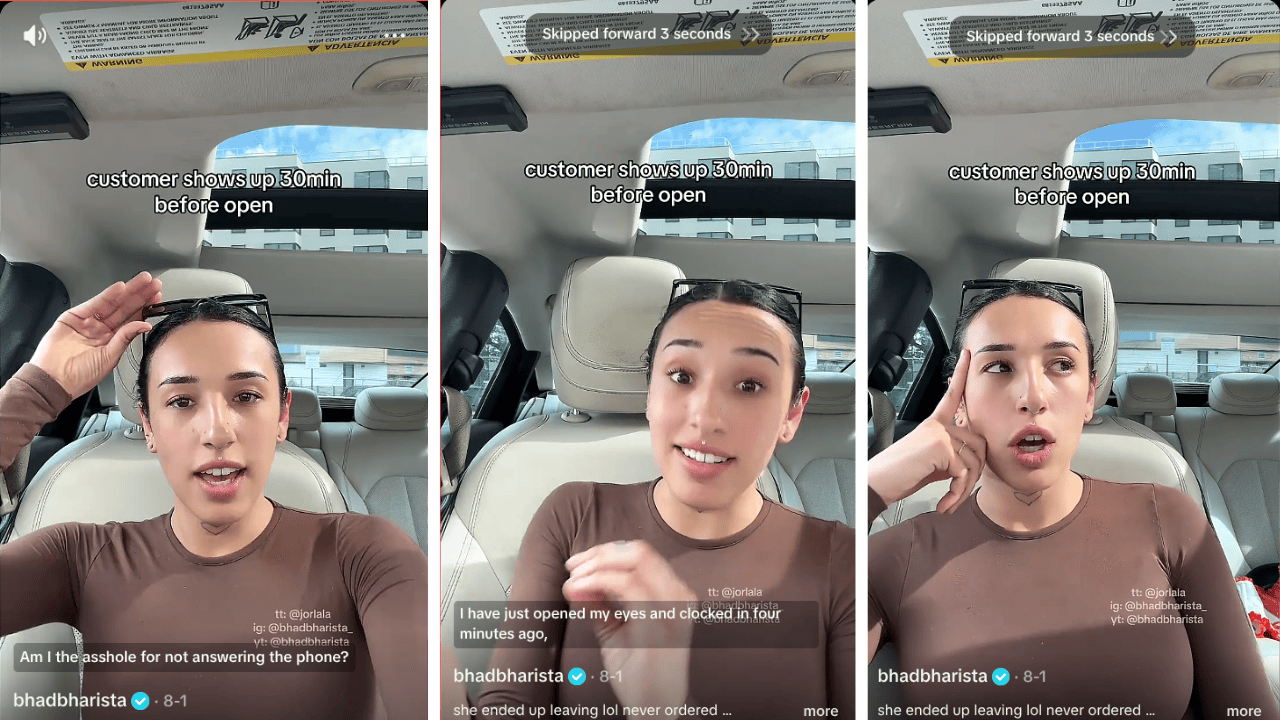

Everybody knows that short-form videos aren't brilliant for your general psyche. Whether it's misinformation, TikTok dances, or AI slop, consuming it in large amounts isn't ideal for anyone — let alone those with young, developing brains.
While TikTok is the one everybody is focussed on, we may want to pay a little more attention to YouTube Shorts.
YouTube's short-form offering has vastly risen in popularity these past few years, but an abundance of content doesn't always mean an abundance of quality.
In fact, a recent study says that 20% of YouTube content is AI slop. Inevitably, we can assume that a lot of what we see on YouTube Shorts falls under this category, so it makes sense that parents might want to moderate their children's consumption of the app a little more.
The good news is, thanks to updated parental controls on YouTube, they can.
YouTube updates parental controls
The most major change is that YouTube will now let parents select a timer for how long they want their children to watch Shorts. Or, if they want to be a little more stringent, they can stop their children from watching Shorts altogether by setting that timer to zero.
"This is an industry-first feature that puts parents firmly in control of the amount of short-form content their kids watch," YouTube said on its announcement post.
As well as this, YouTube will allow the parents of a supervised account to set custom "Bedtime" and "Take a Break" reminders.
What other measures have YouTube introduced?
YouTube has introduced various other measures to tackle Shorts consumption. Recently, they rolled out a new search filter which allows you to choose to see just long-form videos in the results.
Moreover, in October, the video giant granted users the ability to limit the number of shorts they can watch in a day.
As well as rounding out its robust collection of parental control settings, YouTube also previously introduced age-estimation technology to determine the age of users, and tailor their experience accordingly. This was unveiled last year.
YouTube isn't alone in developing its parental control offerings. As the discourse surrounding young people's internet usage continues, TikTok, Instagram, Snapchat and Facebook have all implemented parental control settings of their own.
The internet is chaotic—but we’ll break it down for you in one daily email. Sign up for the Daily Dot’s newsletter here.