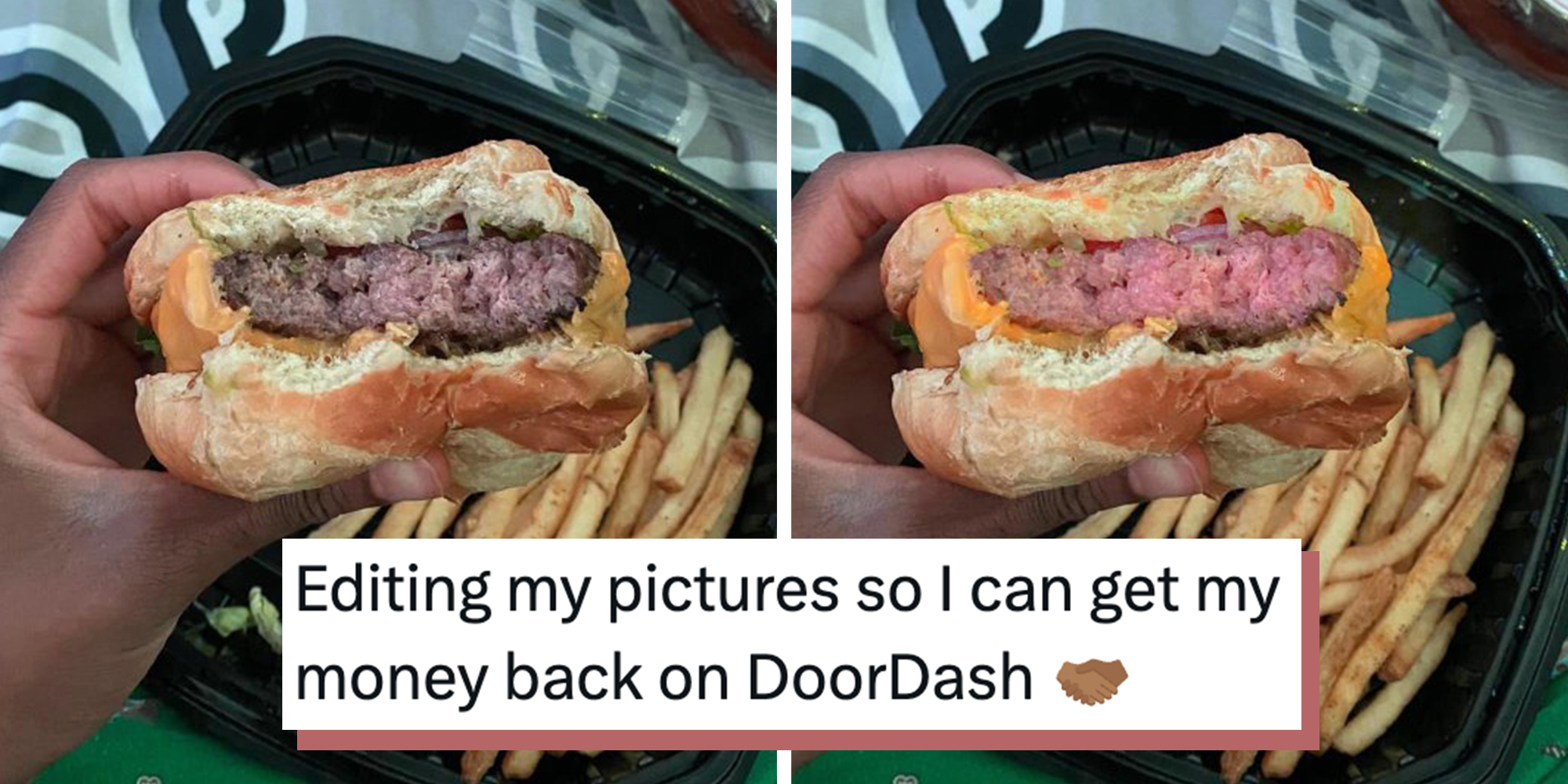
A new wave of refund scams is spreading across food delivery platforms, and this time, artificial intelligence is doing the dirty work. Users are taking photos of their meals, then using AI tools and Photoshop to make them appear undercooked or spoiled before submitting the doctored images to services like DoorDash for refunds.
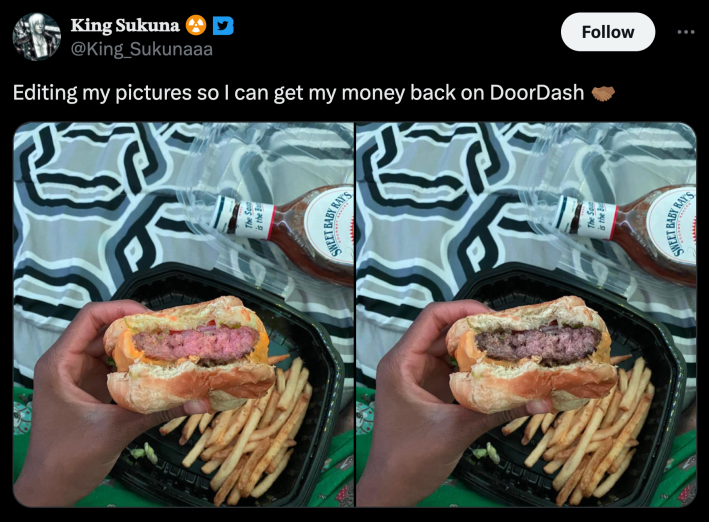
Even people with zero design experience can now generate realistic "raw" versions of their meals. Consequently, food ordering platforms are facing a surge in fraudulent refund requests that are difficult to verify.
AI and Photoshop make food fraud easier
Online posts have shown just how widespread the practice has become. One viral example involved a customer who allegedly took a photo of a cooked hamburger. They then digitally altered it to look completely raw inside. The edited picture, they claimed, was submitted to DoorDash’s customer support and resulted in a full refund.
Another post featured the caption, "Photoshopped my food so DoorDash can give me my money back food stamps ain’t coming next month 🤣"
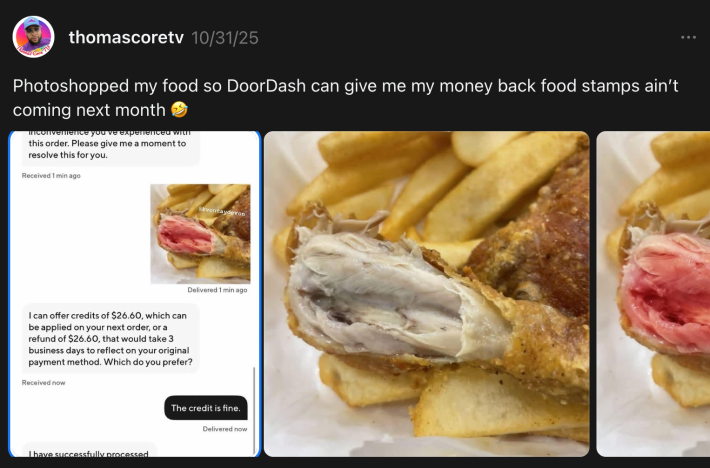
With a few prompts, less tech-savvy folks could produce convincing images of "undercooked" chicken or "moldy" vegetables. As a result, customer service representatives are facing a new kind of deception that is nearly impossible to detect at a glance.
Experts warn of a growing refund problem
According to fraud prevention company Forter, the issue extends beyond food delivery. Their research found that 52% of U.K. consumers and 45% of U.S. consumers "admit to abusing retailers’ policies in the last 12 months."
In the same report, Forter stated, "That’s bad intent, and even though 58% of customers report feeling 'guilty' about taking advantage of a retailer’s policies—if they’re doing it, it’s not ok."
The report also revealed that 68% of consumers said retailers make it too easy to abuse refund and return policies. However, 16% of consumers stopped shopping with brands that implemented stricter refund systems.
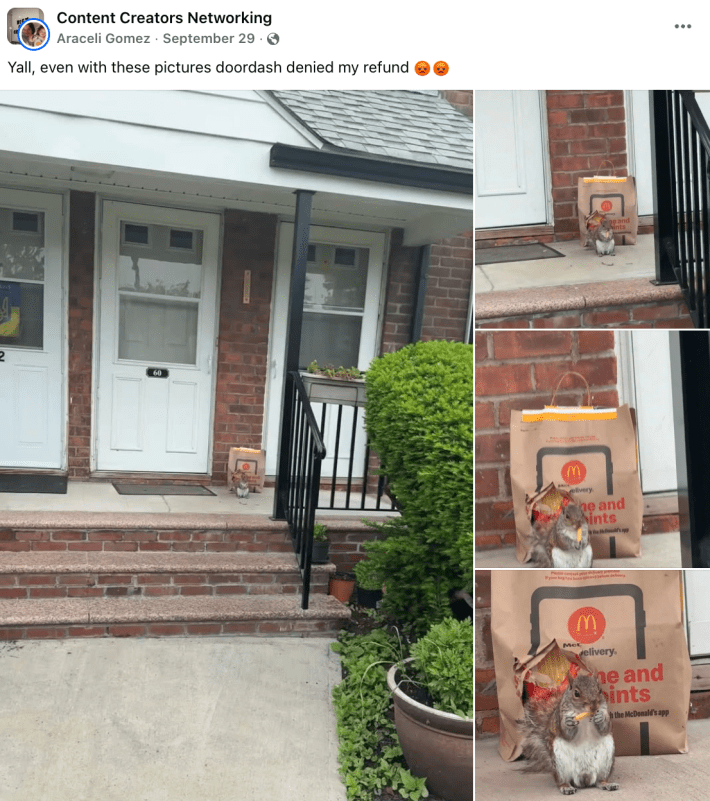
Meanwhile, some legitimate refund requests continue to be denied. In one case, a customer claimed that a squirrel tore open their McDonald’s delivery bag and ate the fries. DoorDash reportedly refused the refund, despite photographic evidence as the squirrel stared down the camera.
Although many users treat the AI-editing scam as a joke, experts caution that this behavior represents a growing threat to retail integrity. On the flip side, it appears that retailers are also using AI to make their meals look more appealing to consumers.
That being said, as AI-generated images become harder to distinguish from real ones, businesses will need new tools and policies to tell the difference between a real complaint and a digital fake.
DoorDash did not respond immediately to the Daily Dot’s request for comment via email.
The internet is chaotic—but we’ll break it down for you in one daily email. Sign up for the Daily Dot’s newsletter here.